
We want you to get the care you deserve.
Transforming health through massage
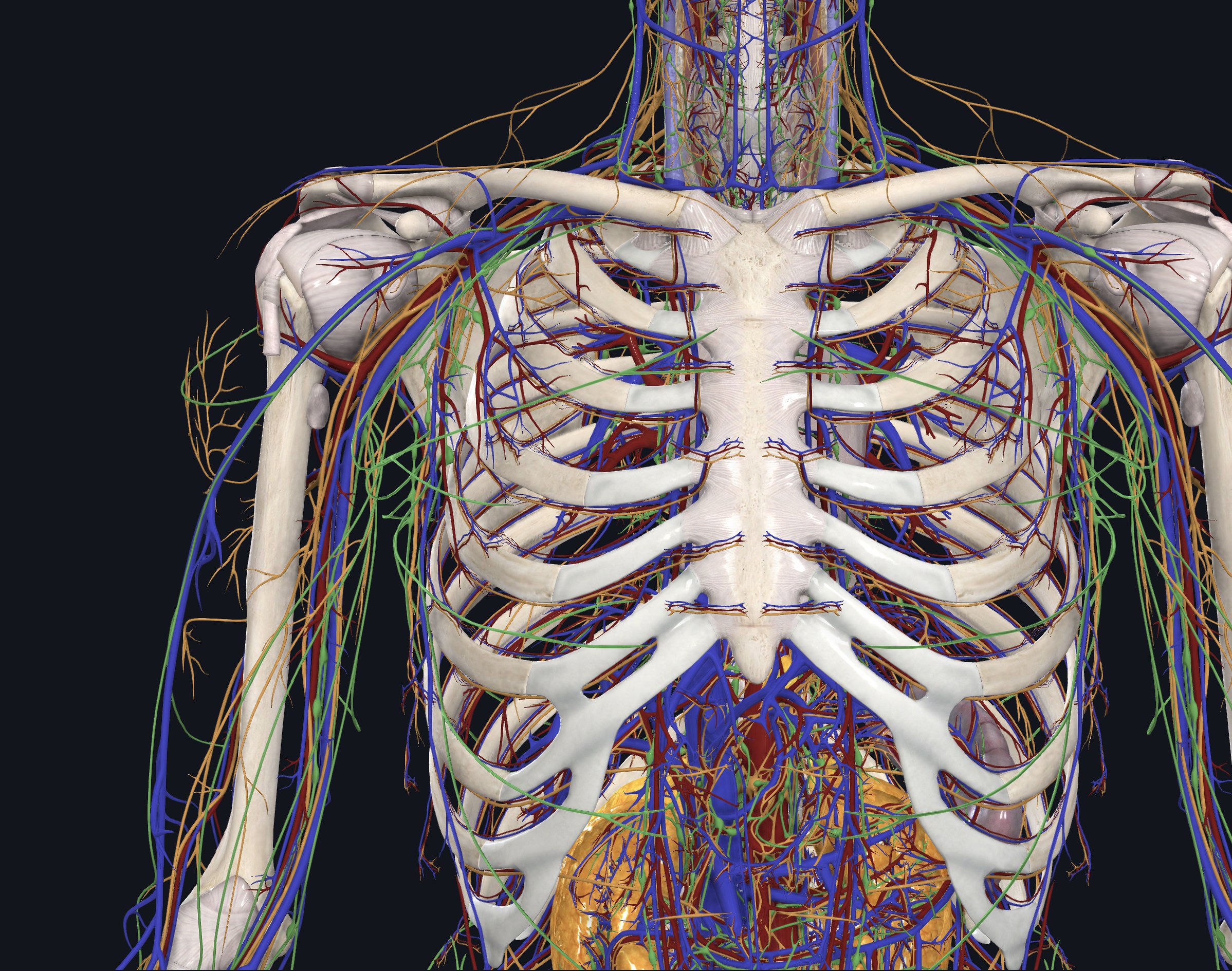
Massage therapy, formally known as manual soft tissue manipulation, stands as one of humanity’s most ancient therapeutic interventions, with documented origins tracing back over 3,000 years to ancient civilizations in India (Ayurveda), China (Traditional Chinese Medicine), and Egypt. Practitioners applied targeted effleurage (gliding strokes), petrissage (kneading), friction, and tapotement(percussive techniques) to address musculoskeletal imbalances.
In contemporary evidence-based practice, it serves as a well-established modality within physical rehabilitation and complementary medicine. It demonstrates efficacy in managing various chronic conditions through mechanisms like myofascial release, deactivation of myofascial trigger points(those pesky hyperirritable knots in taut muscle bands that refer pain like a grumpy neighbor yelling over the fence), reduction of peripheral inflammation, and modulation of the autonomic nervous system.
Translation for the non-Latin speakers among us: Imagine your muscles occasionally throwing tiny temper tantrums, forming little grumpy knots (trigger points) that shoot pain elsewhere and make everything feel stiff. Massage shows up like a calm negotiator, pressing and kneading until those knots surrender, blood flows freely again, and your body remembers how to relax instead of staying clenched like it’s bracing for bad news.
Beyond the fancy terms, here’s what massage can actually help with (backed by clinical observations and studies):
• Chronic low back pain and other musculoskeletal discomforts — it eases muscle hypertonicity and improves functional mobility.
• Osteoarthritis and joint issues — reducing joint stiffness and synovial inflammation for better range of motion (no more feeling like the Tin Man).
• Stress and anxiety — by lowering cortisol (that fight-or-flight hormone that turns you into a wired coffee addict) and boosting feel-good neurotransmitters like serotonin and dopamine.
• Sleep quality — shifting your nervous system into parasympathetic “rest-and-digest” mode, so you actually sleep instead of staring at the ceiling replaying tomorrow’s to-do list.
• Circulation — enhancing peripheral blood flow and lymphatic drainage, delivering oxygen and nutrients while whisking away metabolic waste (think of it as a gentle internal power wash).
• Immune function — increasing circulating lymphocytes (your body’s tiny defenders) and countering stress-induced immunosuppression, potentially helping you fend off the next office cold.
• Digestion — stimulating the parasympathetic nervous system to promote peristalsis (those wave-like gut movements), which can ease issues like constipation or general “tummy tension.”
• Overall myofascial tension and recovery — quicker bounce-back from workouts, less soreness, and that glorious post-massage “I’m basically a noodle” sensation.
So next time life has you feeling like a tightly wound spring, consider booking a session. Your ancient ancestors would approve — and your modern muscles will thank you with fewer complaints and more “ahhh.”
& Counterstrain

Fascial Counterstrain (FCS) is an advanced, indirect osteopathic manipulative technique and expanded evolution of the original Strain-Counterstrain method pioneered by Lawrence Jones, D.O. Developed by Brian Tuckey, PT, OCS, FCS systematically targets fascial dysfunction across multiple body systems: musculoskeletal, visceral (organ-related), vascular, neural (including neuromeningeal), and lymphatic. It addresses reflexive protective vasospasm and myofascial hypertonicity in contractile fascial tissues, smooth muscle elements within vessels and organs, and associated structures.
Injury, trauma, surgery, repetitive strain, postural stress, or even inflammatory triggers can initiate a persistent protective reflex — often involving trapped interstitial inflammation, microvascular compression, and sympathetic hyperactivity. This leads to chronic tissue edema, reduced lymphatic propulsion, impaired perfusion, and the proliferation of hundreds of diagnostic tender points (palpable, hypersensitive foci 1–2 cm in diameter) that reflect ongoing somatic, visceral, or autonomic dysfunction. These points serve as a precise diagnostic map for identifying the specific fascial segments in spasm.
FCS employs a gentle, non-force approach: the practitioner locates the tender point, then passively positions the body (or applies targeted compression/shortening) into a state of maximal tissue ease — typically shortening the dysfunctional fascial structure for about 90 seconds. This positional release stimulates proprioceptive inhibition (via mechanoreceptors in fascia and vessels), restores normal lymphangion pumping, reduces local pro-inflammatory cytokines, and extinguishes the reflex spasm. Upon slow return to neutral, the tender point often vanishes or becomes markedly less tender, with visible/palpable reductions in edema and tension — sometimes dramatically fast.
In everyday terms: Picture your body’s fascia — that spiderweb-like connective tissue wrapping every muscle, organ, nerve, blood vessel, and lymph channel — deciding to throw a protective lockdown after an injury or stress. It squeezes things too tight, traps inflammation like a clogged drain, and creates sore spots that scream “don’t touch!” Fascial Counterstrain is the therapist’s super-polite way of saying, “Hey, emergency’s over — you can chill.” They gently fold or position you into the coziest, least-strained pose imaginable (no forcing, no pain), hold it for a minute and a half, and suddenly the tissue relaxes, the drain unclogs, inflammation drains away, and that angry tender spot often goes from “hot poker” to “barely there.” Patients frequently describe it as weirdly magical: “How did my body just forget to hurt?”
Because it’s extraordinarily gentle and systemic (no high-velocity thrusts), it’s suitable for nearly anyone — from post-concussion patients to those with complex chronic conditions, infants, the elderly, or people too sensitive for deeper manual therapies.
Here are some conditions Fascial Counterstrain can help with (drawn from clinical reports and practitioner observations across musculoskeletal, visceral, vascular, neural, and lymphatic systems):
• Chronic musculoskeletal pain — neck, back, extremities, sciatica, coccydynia, plantar fasciitis, frozen shoulder (adhesive capsulitis), joint stiffness, and post-injury/surgical recovery
• Headaches — migraines, tension, cervicogenic, and post-concussion related
• Digestive dysfunction — IBS-like symptoms, reflux, constipation, visceral tension
• Neurological and autonomic issues — brain fog, chronic fatigue syndrome, dysautonomia, balance disorders, tremors, Bell’s palsy, neuropathy, PTSD/anxiety symptoms
• Inflammatory and systemic conditions — fibromyalgia, widespread pain syndromes, autoimmune flares, CRPS (complex regional pain syndrome)
• Vascular and lymphatic problems — chronic edema, poor circulation, peripheral arterial issues
• Post-traumatic and neuroinflammatory states — traumatic brain injury, post-concussion syndrome, seizures, tinnitus, dystonia
• Other complex presentations — Parkinson’s-like symptoms (non-genetic), TMJ dysfunction, sports injuries, scar tissue restriction, and multi-system dysfunction that hasn’t responded to conventional treatments
In short, if your pain feels mysterious, widespread, or stubbornly stuck — or if your body seems locked in a low-grade “defense mode” affecting more than just muscles — Fascial Counterstrain acts like a master reset button for the fascial “software” running your hardware. It doesn’t fight the spasm; it just convinces the tissue the fight’s over. Many folks walk out feeling lighter, looser, and wondering why they didn’t try this sooner. Your fascia might just thank you by finally letting go of the grudge.
Our rates
Massage Therapy
Therapeutic massage relaxes tight myofascial tissues, eases muscle spasms, boosts blood and lymph flow, increases joint mobility, calms the nervous system, and accelerates healing. It reduces chronic pain, fatigue, stress, and blood pressure while improving sleep, focus, posture, and overall well-being.
The fun version: Massage hits the body’s reset button—no batteries needed. It melts grumpy knots, gets lazy circulation moving, loosens rusty joints, boots stress out the door, speeds up injury recovery, straightens posture without lectures, lowers blood pressure politely, and leaves you sleeping like a content cat, thinking sharper, stressing less, and feeling upgraded. Your muscles, brain, and heart all quietly say “thanks.”
60 mins | $85 | Get started
Counterstrain
Fascial Counterstrain (FCS) is a super-gentle, hands-on technique that targets protective spasms and tightness in the fascia wrapping muscles, organs, vessels, nerves, and lymphatics. It uses precise, painless positional release—holding you in a cozy, unloaded position for about 90 seconds—to calm reflex spasms, reduce inflammation, restore fluid flow, and erase tender points without any force or discomfort. It’s safe for almost everyone, from newborns to the very frail or intensely painful.
The fun version: Fascial Counterstrain is your body’s polite “stand down” order. The therapist spots the cranky, locked-up fascial spots, then gently folds you into the laziest, most comfortable position imaginable—no pain, no pushing. After a minute and a half, the tissues usually sigh, relax, and the sore spot vanishes like it was never upset. It’s so gentle it works on babies, grandparents, and anyone already in agony. Your fascia finally drops the grudge and says, “Fine, we’re good.”
60 mins | $140 | Get started
Lymphatic Massage
Manual Lymphatic Drainage (MLD) is a gentle, low-pressure technique using rhythmic, directional strokes to stimulate lymph vessel contractions, accelerate lymph flow (up to 10–20x), reduce swelling, clear excess fluid and inflammatory waste, and support tissue healing. Performed proximal-to-distal, it’s especially effective pre- and post-surgery to minimize edema, speed recovery, and lower complication risks, while offering broad anti-inflammatory benefits.
The fun version: MLD is your body’s quiet, no-drama garbage truck—super-light, wave-like strokes follow the lymph “highway rules” to wake up sluggish vessels, flush trapped fluid, waste, and inflammation, then hand it off to your kidneys for eviction. Pre/post-surgery it shrinks puffiness fast so you heal quicker and skip the marshmallow look. Everyday it eases that low-key “everything’s inflamed” feeling, leaving you lighter, less bloated, and way more smug about your upgraded plumbing. Zero pain, pure flow—your lymph system basically high-fives you on the way out.
60 mins | $85 | Get started
Hot Stone and Cupping
Hot Stone Massage uses heated basalt stones (130–145°F) to deliver superficial heat during massage strokes, promoting vasodilation, better blood/oxygen flow, myofascial relaxation, reduced muscle tension, lower stress response, and easier deeper work for pain relief and tissue flexibility.
Cupping Therapy applies gentle suction with silicone cups to decompress tissues, boost microcirculation, increase lymphatic drainage, mobilize fluid, clear metabolic waste, and reduce localized inflammation.
The fun version: Hot Stone Massage lets warm rocks melt your tension like butter, ramp up circulation, loosen everything up, and kick stress out—giving your muscles a cozy vacation while the therapist sneaks in deeper work without the wince.
Cupping Therapy uses suction cups to play gentle reverse-vacuum, flushing inflammation, revving lymph flow, and leaving you looser (with temporary polka dots as souvenirs).
Together or apart, they leave you warmer, more relaxed, and far less grumpy—your circulation and muscles basically send thank-you cards.
90 mins | $145 | Get started
Let’s see what we can do for you.
We accept any and all patients.
Is your health concern not on the list? Fill out the form with any questions and information that might be needed. We’ll be in touch shortly.